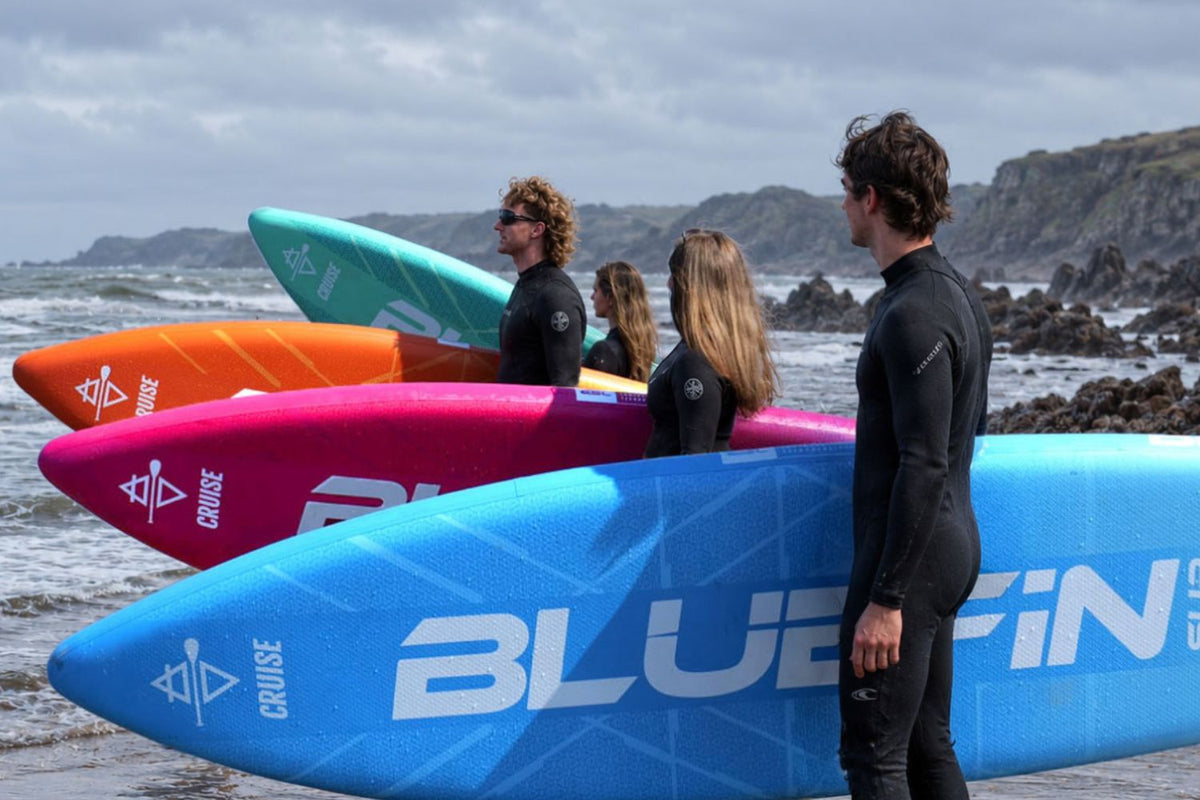

Winter paddleboarding in Southern Europe offers a different kind of escape. While much of northern Europe experiences short days and freezing temperatures, parts of Spain, Portugal, Italy and the Mediterranean coastline can offer brighter afternoons and opportunities to explore quieter waterways. For paddleboarders, the attraction is obvious: fewer crowds, beautiful coastal scenery and the chance to enjoy time on the water outside the traditional summer season.
However, winter paddleboarding in Southern Europe still requires careful equipment choices. A sunny beach in January doesn't necessarily mean warm water, and conditions can vary dramatically between Mediterranean bays and exposed Atlantic coastlines. The key is choosing clothing and accessories that provide adequate protection without unnecessarily restricting movement or filling your travel bag with equipment you won't use.
This guide covers what to wear, what to pack and how to select a paddleboard for a Southern European winter adventure.
Why Southern Europe Is Worth Exploring in Winter
Southern Europe is a broad region, with winter conditions influenced by geography, altitude, prevailing winds and whether you're paddling on the Mediterranean or Atlantic coast. Some sheltered coastal areas experience relatively mild daytime temperatures, making recreational paddleboarding possible on suitable days. However, mild air temperatures should never be confused with warm water. Winter storms, rainfall, powerful swell and strong offshore winds can still make conditions unsuitable for paddleboarding.
Popular Southern European Winter SUP Destinations
Algarve – Portugal
Known for its dramatic cliffs, sheltered coves and scenic coastal routes. Winter SUP opportunities depend strongly on Atlantic swell, wind and local access conditions.
Costa del Sol – Spain
Offers a mixture of beaches, marinas and coastal scenery, with opportunities to find more sheltered water when forecasts are favourable.
Lake Garda – Italy
A beautiful freshwater destination, although winter conditions can be significantly colder than those along southern Mediterranean coastlines.
Mallorca – Spain
Known for its sheltered coves and clear coastal waters. Winter paddling requires particular attention to wind direction, swell and changing weather.
Each destination offers a different paddling experience, which is why a single clothing recommendation won't suit every trip.
Understanding Southern European Winter Water Conditions
One of the biggest mistakes visiting paddlers make is assuming that Southern Europe remains warm enough for summer SUP clothing throughout winter. The reality is more complicated. Coastal areas can experience pleasantly mild air temperatures while the sea remains cold enough to create a serious immersion risk.
Mediterranean vs Atlantic Winter Conditions
Environment |
Common winter considerations |
Gear priority |
Southern Spanish Mediterranean coast |
Variable wind, cooler water, occasional storms |
Appropriate immersion protection and wind awareness |
Algarve, Portugal |
Atlantic swell, exposed headlands and offshore winds |
Cold-water protection and cautious route selection |
Balearic Islands |
Changing wind direction and seasonal coastal weather |
Flexible insulation and reliable safety equipment |
Southern Italian coast |
Variable exposure, winds and cooler seasonal water |
Suitable wetsuit or drysuit system |
Inland European lakes |
Potentially very cold freshwater, wind and isolated access |
More substantial thermal protection |
These are general characteristics rather than fixed forecasts. Always check the actual water temperature and conditions at your intended launch location. For example, an exposed Portuguese beach facing Atlantic swell may require a completely different approach from a sheltered Mediterranean harbour on the same day.
What to Wear Paddleboarding in Southern Europe in Winter
The right clothing should reflect both your expected paddling activity and what might happen if you fall into the water.
1. Choosing a Suitable Winter Wetsuit
A wetsuit is a practical option for many recreational paddlers visiting Southern Europe during the colder months. The appropriate thickness depends on the water temperature, weather, activity and personal tolerance. For some relatively mild conditions, a full-length 3/2mm wetsuit may be considered.
For colder winter water or longer sessions, a 4/3mm or 5/4mm suit may be more appropriate. These are general starting points, not guaranteed temperature ratings. Factors such as fit, seam construction, wind chill, expected immersion time and individual cold tolerance all influence the protection a wetsuit provides. If conditions are especially cold or remote, a properly insulated paddle-specific drysuit may be preferable.
2. Lightweight Technical Layers
For less exposed paddling environments, breathable technical layers can help maintain comfort while moving. However, ordinary leggings, fleeces and windproof jackets are not substitutes for immersion protection in cold water. A windproof top may be useful for additional surface comfort when worn as part of a suitable paddle-specific clothing system. Choose layers that allow unrestricted paddling movements and don't interfere with your buoyancy aid.
3. Neoprene Footwear
Neoprene footwear remains useful even when daytime temperatures feel relatively comfortable. Winter launches may involve cold sand, slippery rocks, damp harbour ramps and exposed shorelines.
Suitable footwear can offer:
Thermal comfort: Reduced heat loss through your feet.
Better protection: Support when walking over stones and rough surfaces.
Additional grip: More secure footing during launches and landings.
Choose flexible soles so you can still feel the deck pad beneath your feet.
4. Gloves for Windy Days
Lightweight neoprene gloves can be useful during winter paddles when cold winds make exposed hands uncomfortable. Thicker gloves may be necessary for colder water or longer exposure. Make sure you can still grip your paddle and operate safety equipment effectively.
5. Sun Protection Still Matters
Southern Europe can experience strong sunshine even during winter. Water reflects sunlight, increasing exposure while paddling. Pack suitable sunscreen, sunglasses with a secure retainer and a hat appropriate for the conditions. Sun protection and thermal protection are equally compatible. You may need both during the same session.

Essential Winter SUP Accessories for Southern Europe
Buoyancy Aid
A suitable buoyancy aid is an important part of paddleboarding safety regardless of the destination. Even competent swimmers can struggle after sudden immersion, particularly in cold water or rough conditions. Choose a properly fitted model that provides flotation without restricting paddling movements.
Appropriate Leash
A paddleboard leash helps keep your board nearby after a fall. However, conventional ankle leashes are not suitable for all environments. Flowing water, tidal channels and areas with potential entrapment hazards can require a quick-release waist leash or other specialist arrangements. Always assess the location rather than relying automatically on the leash supplied with your board.
Waterproof Phone Case
Keep an accessible means of communication on your person. A phone stored inside a dry bag on the board may be unreachable if you become separated from your equipment. Check local mobile coverage and learn how to contact emergency services at your destination.
Compact Dry Bag
A small waterproof dry bag is particularly useful for travelling.
Consider packing:
A spare insulating layer
Drinking water
High-energy snacks
Basic first-aid supplies
A compact towel
Suitable emergency equipment
Avoid overpacking your paddleboard, especially if you're still developing confidence in your balance.
Travel-Friendly Pump and Accessories
When travelling with an inflatable SUP, efficient packing makes the whole trip easier. Check that your travel kit includes a suitable pump, compatible fin, repair equipment and any accessories required for your chosen board. An electric pump may save effort at the launch point, but check power compatibility and airline or transport restrictions before packing it.
Choosing the Best Paddleboard for Southern European Winter Travel
One of the biggest advantages of inflatable paddleboards is their portability. Instead of organising transport for a full-sized hardboard, an inflatable SUP can be deflated and packed for travel. For winter trips involving several destinations, that flexibility is particularly useful.
Bluefin Lite: A Practical Option for Travel
The Bluefin Lite range is designed for paddlers who value compact storage and convenient transport. Its lightweight, compact design makes it worth considering for recreational SUP adventures where carrying and packing equipment is a priority. For example, you might be planning a winter holiday in southern Spain with opportunities for a few short paddles in sheltered conditions. A compact inflatable board can make it easier to bring your own equipment without committing to transporting a larger board.
Travel tip: Always check your airline's current baggage limits and the packed weight and dimensions of your particular SUP package.
Bluefin Cruise: For Versatile Recreational Paddling
If you want an all-round paddleboard for a wider variety of recreational outings, the Bluefin Cruise range is another option. The Cruise combines an all-round shape with an emphasis on stability and efficient movement across the water. That versatility can be useful for paddlers who want one board for both summer holidays and carefully planned winter sessions. When travelling, consider whether you value maximum portability or a more comprehensive paddleboarding package.
Bluefin Carbon: For Paddlers Looking for Performance
More experienced paddlers may prefer the Bluefin Carbon range. Designed with a focus on rigidity and paddling efficiency, the Carbon can appeal to paddlers seeking a more performance-oriented inflatable SUP. Its construction includes a dual-chamber design, offering an additional independent air chamber. However, no paddleboard design makes challenging winter conditions automatically safe.
Choose your board for your ability and intended environment, not simply because you plan to paddle further.
Winter Paddleboarding Gear by Southern European Destination
Paddleboarding in Spain During Winter
Spain offers several contrasting winter paddleboarding environments. Southern Mediterranean locations may experience relatively mild daytime weather, but water temperatures still require appropriate cold-water protection.
For a sheltered winter session around the Costa del Sol, consider:
A suitably rated full-length wetsuit or drysuit system
Neoprene footwear
A correctly fitted buoyancy aid
An appropriate leash
A waterproof communication device
Sun protection
Strong local winds can develop quickly. In some parts of southern Spain, regional wind patterns can create conditions unsuitable for paddleboarding. Always choose the launch location based on actual forecasts and local advice.
Paddleboarding in Portugal During Winter
Portugal's Atlantic coastline demands particular respect during winter. The Algarve is well known for its coastal scenery, but beaches and headlands can be exposed to powerful swell.
For winter paddleboarding in Portugal, prioritise:
Adequate cold-water clothing
A stable, predictable paddleboard
Appropriate flotation equipment
Careful attention to swell forecasts
Sheltered launch and landing points
Local guidance about currents and access
Avoid interpreting sunshine as an indication that exposed Atlantic conditions are suitable. For less experienced paddlers, a supervised session in genuinely sheltered water is a better choice than attempting an exposed coastal route.

Paddleboarding in Italy During Winter
Italy offers both coastal and freshwater paddling opportunities. However, winter conditions differ considerably between southern coastal areas and northern lakes. A Mediterranean coastal paddle might require a different insulation system from an outing on Lake Garda, where cold freshwater, wind and mountain weather can create substantial risks.
For inland winter paddling, prioritise water temperature and exposure over regional climate averages.
Paddleboarding in the Balearic Islands
Mallorca and the surrounding islands offer scenic coastlines and sheltered coves, but winter weather can be unpredictable. Wind direction and swell can change the suitability of a route. Choose locations with reliable access, monitor marine forecasts and avoid exposed headlands unless you have the appropriate experience and support.
Southern Europe Winter SUP Packing Checklist
If you're travelling with your paddleboard, use this checklist to keep your packing practical.
Item |
Essential or optional |
Why pack it? |
Inflatable SUP |
Essential if bringing your own |
Main paddling equipment |
Suitable wetsuit or drysuit |
Essential for cold-water exposure |
Thermal and immersion protection |
Buoyancy aid |
Essential |
Flotation |
Environment-appropriate leash |
Essential where safe to use |
Board retention |
Waterproof phone case |
Essential |
Communication |
Neoprene footwear |
Strongly recommended |
Warmth and grip |
Neoprene gloves |
Conditions dependent |
Hand protection |
Compact dry bag |
Recommended |
Secure storage |
Spare warm clothing |
Strongly recommended |
Post-session comfort |
Sunscreen and sunglasses |
Recommended |
Sun protection |
Pump, fin and repair kit |
Essential for inflatable SUPs |
Board setup |
Travel backpack |
Recommended |
Convenient transport |
Before travelling, inspect your equipment and make sure every required part is packed.
A forgotten fin or pump connector can leave an otherwise perfectly planned trip without a usable board.
Safety Tips for Winter Paddleboarding in Southern Europe
Warmer-looking destinations can encourage paddlers to underestimate winter risks.
The same core safety principles apply across Europe.
Check Wind and Swell Forecasts
Wind direction is particularly important during coastal paddleboarding. An offshore wind can carry you away from land, sometimes faster than you can paddle back. Avoid offshore winds, strong swell and conditions beyond your experience. Check local marine forecasts rather than relying solely on a general weather app.
Understand Local Rules
Paddleboard access rules vary between countries, regions and individual waterways. Restrictions may apply to protected areas, harbours, swimming zones, inland waters and specific coastal routes. Check local requirements, including any registration, insurance, navigation or equipment obligations, before launching.
Choose Sheltered Locations
For recreational winter paddling, sheltered locations with straightforward access are generally preferable to exposed coastlines.
Look for routes with:
Predictable water conditions
Suitable launch and landing areas
Limited boat traffic
Clear emergency access
Nearby assistance if required
A beautiful location isn't necessarily a safe paddling location.
Carry Emergency Communication
Carry a working means of calling for help and know the local emergency procedure. 112 is the European emergency number and can be used across EU countries. Tell someone your intended route and return time before launching.
Common Winter Paddleboarding Mistakes in Southern Europe
Assuming the Water Is Warm
Southern Europe's winter sunshine can create a false sense of security. Cold water remains a serious consideration, even when the air temperature is comfortable.
Packing Only Summer Clothing
Board shorts and lightweight tops may be suitable for some warm-weather activities, but they are not adequate cold-water protection. Research expected water conditions before deciding which suit to bring.
Underestimating Atlantic Conditions
Portugal's coastline can look inviting from shore while powerful swell and currents make paddleboarding unsuitable. Never launch based on appearance alone.
Choosing the Wrong SUP for Your Trip
A larger, more equipment-heavy setup may be inconvenient when your journey involves flights, trains or frequent changes of accommodation. Consider whether a compact board would better suit your travel plans.
Forgetting to Check Local Access Rules
A location that permits summer paddling may have seasonal restrictions or different winter access arrangements. Check with local authorities, recognised paddling providers or waterway managers.
Frequently Asked Questions About Winter Paddleboarding in Southern Europe
Can You Paddleboard in Spain During Winter?
Is Portugal Good for Winter Paddleboarding?
Do You Need a Wetsuit for Mediterranean Winter Paddleboarding?
Is an Inflatable SUP Suitable for Travelling Around Southern Europe?
Is Winter Paddleboarding in Southern Europe Suitable for Beginners?
Summary: Essential Winter Paddleboarding Gear for Southern Europe
Southern Europe can offer excellent opportunities to enjoy paddleboarding outside the busy summer season. However, choosing the right equipment is essential for a comfortable and safer experience.
The key priorities are:
Appropriate insulation: Choose clothing based on water temperature and immersion risk.
Portable equipment: Consider a compact inflatable SUP if you're travelling frequently.
Reliable flotation: Wear a suitable buoyancy aid and use the correct leash for the environment.
Wind awareness: Check local forecasts, especially along exposed Atlantic and Mediterranean coastlines.
Practical packing: Bring the essentials without adding unnecessary weight.
Local knowledge: Understand access rules, currents and potential hazards before launching.
With the right preparation, winter can be an excellent time to discover quieter coastal destinations and enjoy a different side of European paddleboarding.
Conclusion: Make the Most of Southern Europe's Winter Paddling Season
The best approach to winter paddleboarding in Southern Europe is to pack intelligently, understand local conditions and choose equipment that matches your plans. From sheltered Spanish bays to Portugal's scenic coastline, each destination brings its own opportunities and challenges. A suitable wetsuit or drysuit, a well-maintained inflatable paddleboard and dependable safety equipment provide a practical foundation for your trip.
For paddlers who regularly travel, a compact, durable SUP can also make exploring new locations more convenient. Whether you're planning a dedicated paddleboarding holiday or hoping to include a few sessions in a winter getaway, preparation helps you get more from every opportunity on the water.
Travel Light. Explore More.


Delen:
Suppen op kanalen in Europa: routes en SUP-gids